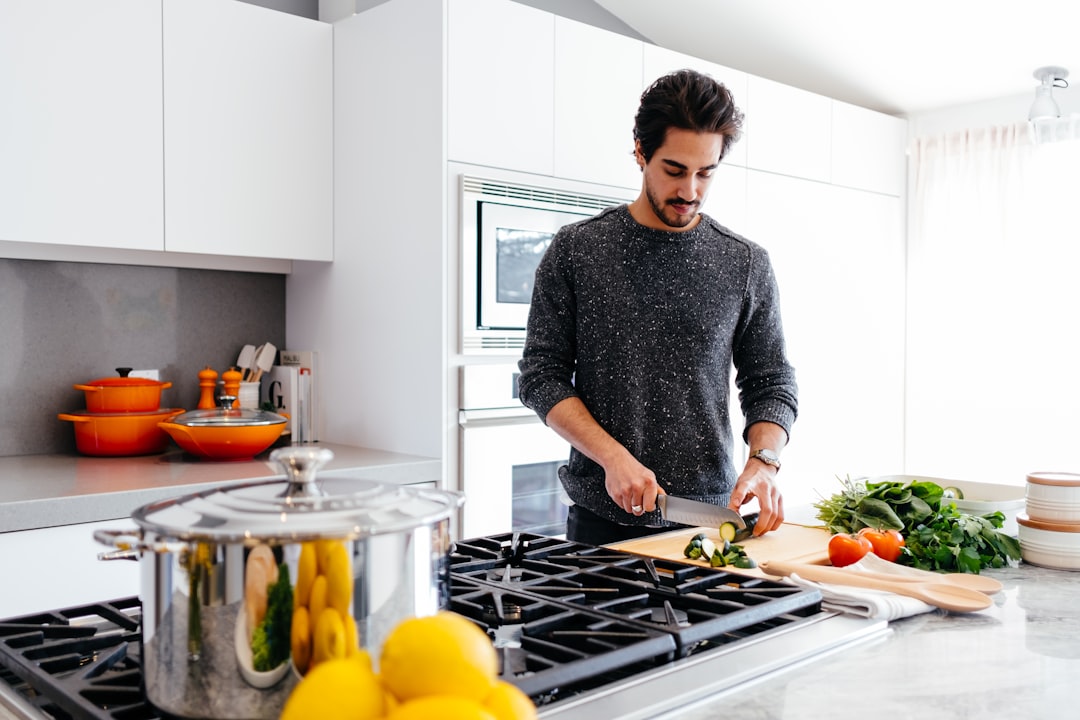
If you have ever wondered how to meal prep for the week without spending your whole Sunday in the kitchen, the answer is usually not more effort. It is a simpler system. I used to treat meal prep like a giant project, which meant I either overcooked three different proteins, got bored by Tuesday, or gave up and ordered takeout by Thursday. Once I stopped trying to build a perfect menu and started building a repeatable routine, the whole thing became much easier.
This article is about the version of meal prep that actually survives a busy week. It is not about chasing a flawless container lineup or pretending every lunch will look like it belongs in a café. It is about planning a few reliable meals, cooking in a smarter order, and making sure what you pack still tastes good when you open it two days later. If you want more kitchen ideas, you can also browse the rest of the site at Cooking Tips.
The big idea is simple. You do not need to prepare every bite of food for seven days. You need a plan that covers the parts of the week that usually go off the rails. For me, that means weekday lunches, a few fast dinners, and some breakfast backups. Once those are covered, the pressure drops fast.
how to meal prep for the week: How to meal prep for the week without turning Sunday into a marathon
The first mistake I made was thinking meal prep had to be a full production. I would line up too many recipes, fill the sink with cutting boards, and tell myself I was being disciplined. What I was really doing was creating a long, tiring task that I did not want to repeat. The better approach is to reduce decision-making, not increase cooking volume. A good prep session can be short, calm, and unfinished in a very intentional way.
Start by asking a narrow question. What do I actually need next week? If the answer is lunch at work, a couple of fast dinners, and something easy for breakfast, plan only those meals. I like to choose two lunch options, one or two dinner foundations, and one breakfast item that can be eaten cold or reheated. That keeps the shopping list sane and makes the prep session feel doable. You are building support for the week, not catering a private event.
Time matters too. A lot of people think the point is to cook for as many hours as possible on Sunday. It is not. The point is to buy yourself calmer weekdays. If you can get everything done in 90 minutes to two hours, that is usually enough for a solid start. The real win is not the length of the session. It is the number of times you stand in front of the fridge on a Tuesday night and already know what is for dinner.
I also learned to stop making every part of the meal from scratch. One component can be homemade while another comes from a shortcut. Roasted vegetables plus store-bought hummus. Rice plus rotisserie chicken. Pasta plus a quick sauce. That mix keeps prep from feeling like a test of moral character. The more flexible your routine is, the more likely you are to repeat it next week.
Start with a menu, not a mountain of containers
Meal prep goes better when the menu comes first. Containers do not solve the hard part. They only hold the result. Before you cook anything, sketch out a tiny map of the week. I usually write down the days I know will be busy, the days I might cook fresh, and the meals that need to travel well. Once I see the week on paper, it is much easier to decide what deserves a place in the fridge.
A practical menu does not need many recipes. In fact, fewer recipes usually work better. Two lunch bowls, one pasta dish, one breakfast option, and a backup snack can cover more than people expect. The trick is to make those meals share ingredients without tasting identical. For example, you might roast a tray of vegetables that work in bowls one day and in wraps the next. You might cook a pot of rice that becomes lunch on Monday and fried rice on Wednesday. Reuse is not boring when you vary the sauce, the texture, and the way you serve it.
When I build a menu, I also think about energy. A lunch that is too heavy can make the afternoon sluggish. A dinner that is too light leaves me hunting for chips at nine at night. So I try to spread the ingredients across the day. Beans and grains for staying power. Fresh herbs or citrus for brightness. Protein for staying satisfied. Crunch for interest. Once you start planning meals around that balance, the fridge becomes easier to read.
Write the menu in plain language. Do not overcomplicate it with names that sound like restaurant specials if the recipe is really just rice, chicken, and vegetables with a sauce on top. Clear labels help later in the week when you are tired and trying to remember what is in each box. A simple list also makes shopping easier because you can group ingredients by use instead of by fantasy.
- Two lunches that reheat well
- One dinner that uses the same base ingredients
- One breakfast that can be eaten fast
- One snack or backup option for busy days
That is usually enough to turn meal prep from a vague intention into a working plan.
Build meals from a simple formula
I used to think each meal needed its own identity. That is one way to make cooking harder than it needs to be. A better method is to use a formula. Choose a base, add a protein, add vegetables, then finish with something that gives the meal texture or flavor. Once you know the formula, you can swap ingredients without starting from zero every week.
For bowls, the formula might look like rice or quinoa, chicken or chickpeas, roasted vegetables, and a sauce. For wraps, it might be tortillas, beans or turkey, greens, and a crunchy topping. For pasta, it might be noodles, a cooked vegetable, a protein, and a sauce that binds everything together. The formula keeps the meal balanced, but the ingredients can change based on what is on sale or what you already have.
This is where meal prep gets more interesting than the usual Internet advice. People often talk about batch cooking as if the goal is to make three identical lunches. I think the better goal is to create a small set of parts that can combine in more than one way. One tray of roasted carrots and onions can show up in a grain bowl, then in an omelet, then on the side of a dinner plate. One sauce can rescue three different meals. That kind of reuse feels practical instead of repetitive.
If you want a formula that is hard to mess up, try this.
- One starch or grain
- One protein
- Two vegetables
- One sauce or dressing
- One crunchy or fresh finishing touch
That last part matters more than people think. A small handful of toasted seeds, chopped herbs, cucumber, or pickled onions can make a container of leftovers feel newly assembled. A meal does not need a dramatic makeover to feel fresh. It often just needs one thing with bite, one thing with acidity, and one thing that wakes up the rest of the box.
The formula also makes portioning easier. If you are guessing how much to cook, use the number of meals as the guide. Instead of asking, What recipe am I making? ask, How many servings do I need of each building block? That question is easier to answer and much better for planning a week that changes from day to day.
Shop with one eye on reuse
Grocery shopping becomes calmer when you stop shopping for individual meals and start shopping for ingredients that can do more than one job. A bunch of herbs, a few lemons, a container of yogurt, a couple of grains, and a handful of vegetables can cover a surprising amount of food. This is especially useful when you want meals that feel different without buying twenty separate items.
I usually make my list in three groups. First come the anchors: protein, starch, vegetables. Then come the helpers: sauces, spices, broth, cheese, or anything else that changes how the core ingredients taste. Finally come the fresh items that make the week feel alive, like greens, fruit, or herbs. When I shop this way, I do not end up with random ingredients that look good in the store but never meet each other in a pan.
There is also a timing issue that people overlook. Some groceries are better bought for the start of the week, while others are better reserved for later. Tender herbs, berries, and salad greens are great early in the week if you use them quickly. Sturdy vegetables, citrus, onions, carrots, and cabbage can wait longer. If you know what will still look good on Thursday, you can plan the order in which you use things. That alone makes meal prep feel more realistic.
I like to check my kitchen before I leave. Half a jar of mustard, some soy sauce, a bag of rice, or a little vinegar can save money and reduce waste. Reusing what is already there is not glamorous, but it is the difference between a smart shop and a cluttered fridge. The best weekly grocery trip is the one that supports the meals you will actually cook, not the recipes you might cook if life were quieter.
One small habit helps a lot. Keep a running note on your phone or on the fridge. When you run out of olive oil, lentils, tortillas, or whatever you use often, write it down immediately. That way the prep day starts with a list that reflects real habits, not a memory test.
Batch-cook the pieces, not the whole dinner
Batch cooking sounds impressive, but I think it works best when it stays modest. You do not need to make five complete dinners in one day. You need the pieces that take time and keep well. Cook those once, and then build different meals around them. That could mean roasting vegetables, cooking a grain, boiling eggs, simmering a pot of beans, or baking a tray of chicken thighs. These are the parts that slow the week down if you have to make them from scratch every night.
The order matters. Start with the longest-cooking item and use the oven or stove efficiently. If the oven is hot, put in vegetables first, then use the same heat for chicken or tofu, then let cooked grains rest while you chop herbs or mix sauce. A little sequence planning saves more time than rushing around the kitchen. I like to think of it as lining up tasks so they overlap instead of collide.
There is also a taste advantage to cooking pieces separately. If everything is cooked together until it all tastes the same, the meals become flat. But if the vegetables keep some char, the grains stay fluffy, and the protein is seasoned on its own, each bite has more contrast. Then when you combine them later, the meal tastes assembled rather than blurred together.
A few good batch-cook candidates are especially useful.
- Rice, quinoa, couscous, or pasta
- Roasted carrots, broccoli, peppers, or cauliflower
- Chicken thighs, tofu, beans, or meatballs
- Hard-boiled eggs or baked eggs
- A pot of soup, stew, or lentil base
Not every ingredient needs the same treatment. Some things are better kept raw and chopped fresh later. Tomatoes, cucumber, lettuce, and delicate greens usually fall into that group. The point is to save time where time matters. If a step does not improve the final meal, it is fair to question whether it needs to be done in advance.
That is why batch cooking feels more flexible when it is treated like assembling parts. You are creating options, not locking yourself into a single path.
Use sauces, herbs, and crunch to keep food interesting
Even a good lunch can get dull if every bite tastes identical. I learned that boredom is often the real reason meal prep fails. People do not quit because the food is technically bad. They quit because by Wednesday everything tastes like Monday. The fix is usually not a new recipe. It is better finishing. Sauces, herbs, pickled ingredients, nuts, seeds, and crisp vegetables can change the whole mood of a container.
I like to think in layers. The base gives structure, the protein gives substance, the vegetables give color, and the finishing layer gives personality. A spoonful of pesto can make roasted vegetables feel brighter. A yogurt-based dressing can soften a grain bowl. Soy sauce, sesame oil, and ginger can turn plain rice into something that feels much more intentional. The core ingredients do not have to change much if the flavor on top changes enough.
Fresh herbs are one of the most underrated tools in a home kitchen. Parsley, cilantro, dill, mint, and scallions can all pull a meal in a new direction. They also make leftovers feel less heavy. If you only have one extra thing to add to your prep, herbs are a strong choice because they make food look and taste fresher with very little effort.
Crunch matters too. Soft food gets monotonous. If everything in the container has the same texture, the meal feels flat. Toasted seeds, chopped nuts, croutons, fried onions, cucumber, shredded cabbage, or a handful of sliced radish can give the bite a little lift. I do not always add them on prep day. Sometimes I keep them separate and sprinkle them on just before eating. That small step helps the food stay lively.
If you want an easy rule, prepare at least two sauces for the week. One can be creamy or rich. The other can be bright or sharp. That gives you a way to steer the same base ingredients in different directions. A rice bowl with tahini sauce and roasted vegetables feels different from the same bowl with salsa verde and lime. The box is the same. The experience is not.
When people say they are tired of meal prep, what they often mean is that they are tired of repetition. Finishing elements are the easiest way to break that pattern.
Store food so it still tastes good on day four
Good meal prep can be ruined by bad storage. Food that sits in the wrong container, in the wrong order, or while still too hot can lose texture fast. I used to pile everything into one box and hope for the best. Then I started separating wet and dry ingredients, and the difference was immediate. The food kept more structure, and the lunches looked more appealing when I opened them.
Think about moisture first. If you pack crisp greens with hot rice and a wet sauce, the greens will collapse. If you put dressing on the bottom and crunchy toppings on the side, the meal has a better chance of staying pleasant. The same goes for sandwiches, wraps, and grain bowls. Anything that is supposed to stay crisp usually deserves a little distance from moisture until the moment you eat it.
Containers do not need to be fancy, but they should be practical. Clear containers help because you can see what is inside without opening every lid. A few different sizes also help. Small containers are good for sauces, toppings, or snack portions. Medium ones are useful for lunches. Larger containers work for shared dishes or family meals. The right size keeps portions realistic and prevents the fridge from becoming a pile of mismatched boxes.
Cooling is another detail that people overlook. Food should not go into the fridge steaming hot. Let it cool first so condensation does not collect inside the container. That extra moisture can make grains mushy and vegetables soggy. I usually spread food out for a short while, then pack it once the steam has settled. It is a small habit, but it helps preserve texture.
Labeling is useful if you make more than a couple of meals. A piece of masking tape and a marker can save you from mystery containers later in the week. Write the name of the dish and the day you want to eat it. The food will still be fine if the label fades, but the label makes the week feel organized instead of chaotic.
If you want one principle to remember, it is this. The fridge is not a magic box. Food still changes there. Your job is to slow those changes down enough that the meal you packed on Sunday still feels useful on Thursday.
Reheat with a little care
Reheating is where a lot of meal prep loses its charm. A great lunch can become dry, rubbery, or uneven in a minute or two if it is heated carelessly. The fix is not complicated. Warm food gently, add moisture where needed, and avoid blasting everything at the same setting just because the microwave has a quick button. That quick button is not always your friend.
Some meals reheat well in the microwave, while others benefit from the oven, skillet, or toaster oven. Rice bowls, soups, stews, and pasta generally do fine in the microwave if they are covered and checked halfway through. Roasted vegetables and proteins often improve with a short time in a skillet or oven because the texture comes back a little better. If something seems dry, a spoonful of water, broth, or sauce can help it settle back into shape.
I also recommend reheating in smaller waves instead of all at once. Stir halfway through. Check the center. Add a small splash of liquid if the food looks tight. That little bit of attention makes the difference between a lunch you enjoy and one you eat because you already paid for it. Reheating is not about getting the food hot as quickly as possible. It is about getting it hot in a way that still respects the ingredients.
There are also meals that should be eaten cold or at room temperature, and that is fine. Some salads, grain bowls, pasta salads, and wraps taste better without reheating. If you know the dish is meant to be cool, design it that way from the start. Pack the components separately if necessary and assemble them when you are ready to eat. Not every meal needs to be warmed up to count as lunch.
If you have a routine that includes office lunches or school lunches, it helps to keep one backup meal that reheats almost effortlessly. Soup is a strong example. So is a grain bowl with sauce stored separately. When the day goes sideways, you want one container you can trust without thinking about it too much.
Small habits around reheating make the whole weekly system feel smoother. Food should meet you halfway, not make you work for the last step.
What to do with leftovers when plans change
Plans change all the time. That is one reason meal prep can feel fragile if the food is too specific. A dinner you planned for Tuesday might get bumped to Friday. A lunch you meant to bring might stay in the fridge because you ate out with a coworker. If you build your meals with flexibility in mind, those changes do not matter as much.
Leftovers are easiest to use when they are treated as ingredients instead of as failures. Cooked vegetables can become a frittata filling. Extra rice can become fried rice or soup add-in. Roasted chicken can move into wraps, salads, tacos, or a quick noodle bowl. Once you stop expecting leftovers to stay in the same form forever, they become more useful. That shift alone reduces waste.
I like to keep one empty dinner slot in the week if I know life is busy. That slot becomes the place for leftovers, an improvised meal, or a simple reset night with eggs and toast. It gives the plan some breathing room. Not every weekday needs a fully prewritten answer. Sometimes the smartest use of meal prep is knowing when to let the fridge decide.
If you have more leftovers than you can use in two or three days, freeze them in single portions. Soups, stews, cooked grains, sauces, and many cooked proteins freeze well. Label them clearly and put them where you can actually find them later. Frozen food only helps if you remember it exists. I try to keep the most useful items in one area of the freezer so I do not have to dig through forgotten bags to reach them.
It also helps to think about a second life for each meal while you are cooking it. Ask yourself, If this does not get eaten tomorrow, how could it be repurposed? That question is not pessimistic. It is practical. It keeps the week from collapsing just because one plan shifted.
Food waste is often less about bad intentions and more about poor follow-through. A flexible system gives leftovers a real job.
A weekly rhythm you can actually keep
The strongest meal prep system is the one that fits your life without making you feel like a project manager. I like a rhythm that repeats, because repeatable rhythms are easier to protect than heroic efforts. The exact day does not matter as much as the order. Review the week, shop once, prep the basics, then leave room to improvise. That cycle is simple enough to survive a busy schedule.
For example, you might plan on Thursday night, shop Friday morning, cook Saturday or Sunday, and then do a short midweek reset if needed. The reset could be as small as chopping more greens, cooking another batch of rice, or making one fresh sauce. It does not need to be a second prep day. It just needs to keep the week from drifting.
I also think it helps to build one small reward into the routine. Maybe you keep one fresh snack you like only for prep day. Maybe you listen to a playlist or podcast while you cook. Maybe you end the session by wiping down the counter and setting out tomorrow’s lunch. These little details make the process feel less like work and more like a habit you are choosing on purpose.
Another useful rhythm is to keep a short note after each week. What ran out too fast? What got ignored? What meal was the easiest to pack? That kind of review takes one minute and makes the next week better. If a sauce disappeared immediately, make more of it. If a vegetable sat untouched, stop buying that much of it. If one lunch was a clear favorite, repeat it with a different protein or grain. Meal prep gets smarter when you pay attention to what actually happened.
The goal is not to build the perfect kitchen routine. The goal is to build one that quietly supports your life. When it works, you stop thinking about it so much. That is usually the sign it is doing its job.
Mistakes that make meal prep feel harder than it is
There are a few mistakes that show up again and again. The first is trying to make too many different recipes in one session. That creates more chopping, more dishes, and more chances to get tired before the work is done. A better version is to make a smaller number of ingredients that can branch into several meals. Variety matters, but too much variety can become chaos.
The second mistake is ignoring texture. People focus on flavor and forget that texture is what keeps food interesting over multiple days. Soft food without crunch, creaminess without brightness, or a plate without contrast gets dull fast. A little crunch, acid, or freshness can keep the meal alive.
The third mistake is cooking as if every meal will be eaten immediately. Some foods are wonderful on day one and poor on day three. If you know that ahead of time, you can adjust the plan. Put the best-looking vegetables at the front of the week. Save the sturdier dishes for later. Separate wet and dry components. Store toppings separately. Those choices are small, but they matter.
The fourth mistake is making prep too ambitious for your actual schedule. If you only have an hour, do not plan on three elaborate dishes and six sauces. That version of the plan looks organized on paper and collapses in real life. Start smaller than your ego wants. A modest prep session that you repeat is more useful than a perfect one that happens once.
The fifth mistake is forgetting that convenience has a design element. If the lunch box is buried, if the containers are mismatched, if the labels are missing, or if the fridge is too full to navigate, the system becomes annoying. Make the easy path the obvious path. Put the next meal where you can see it. Keep backup snacks reachable. Make the kitchen work with you.
Meal prep is supposed to lower friction. The moment it starts creating more friction than it removes, the system needs to be simplified.
Make next week easier than this one
The best meal prep routine is not the one that looks impressive from the outside. It is the one that quietly gives you more time, fewer decisions, and a little more peace when the day gets crowded. When you start with a small menu, cook the parts that matter, store them with care, and leave room for leftovers and swaps, the week stops feeling so demanding.
I think that is why meal prep becomes useful only after it becomes ordinary. Once it is a habit, you do not need to hype it up or turn it into a wellness performance. You just open the fridge, find something useful, and move on with your day. That is the real payoff. Not a perfect row of containers. Just fewer moments where dinner feels like an emergency.
If you want a simple place to begin, choose two lunches, one dinner base, and one sauce for next week. That is enough to practice the system without getting overwhelmed. Then notice what worked and what felt annoying. The point is not to copy someone else’s routine. The point is to build one that fits your kitchen, your schedule, and your appetite.
Once that happens, meal prep stops being a chore you try to survive. It becomes one of the quiet tools that makes the rest of the week easier to manage.