The 7 eleven franchise price in the U.S. typically ranges from roughly $40,000 to $1.6 million all-in, depending on the exact store, location, and sales volume.
Most candidates are asked for about $50,000–$150,000 in liquid cash. 7‑Eleven uses a gross‑profit split instead of a flat royalty and covers real estate and most equipment; your largest cash items are the franchise fee, opening costs, initial inventory, and working capital.
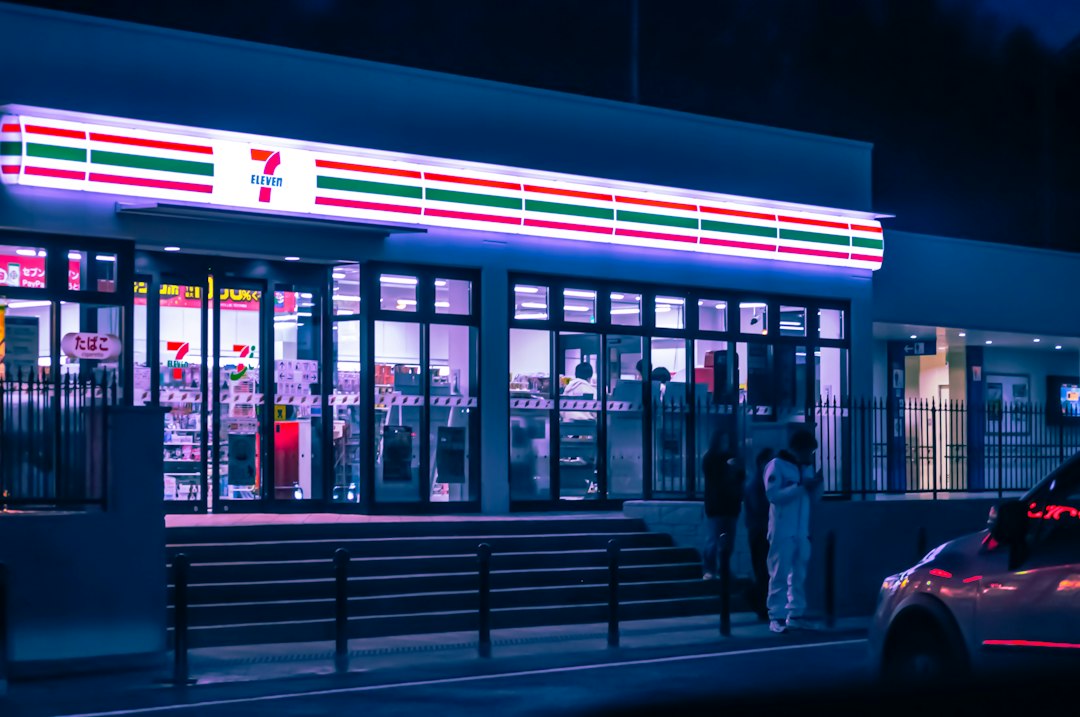
7 eleven franchise price in the U.S. (2026): the short answer and quick scenarios
Here is a quick way to frame the investment: buying an existing, company‑owned 7‑Eleven that is being offered for franchising generally takes a lower upfront cash outlay than building a new store from scratch, but the exact number swings with the store’s historic sales, market economics, and whether incentives are available on that location.
Two fast scenarios to set anchors:
- Existing store in urban California: Higher initial fee tied to stronger sales, higher inventory deposit, and higher working capital due to wage and cost levels. Total cash to open may land in the mid‑ to high‑six figures even though real estate is covered by the franchisor.
- New or smaller store in suburban Texas: Lower upfront fee and inventory deposit, moderate travel/training/opening costs, and lower 90‑day working capital. Total cash to open can be closer to the low‑ to mid‑six‑figure range, with some outliers below that if promotions apply.
For clarity, here is a side‑by‑side table with sample planning ranges. These are not quotes; always verify with the current Franchise Disclosure Document (FDD) and your assigned representative.
| State/market | Store type | Estimated franchise fee | Opening costs (permits/training/travel) | Initial inventory deposit | Working capital (90 days) | Total cash to open | Liquid cash required | Notes/assumptions |
|---|---|---|---|---|---|---|---|---|
| California (urban) | Existing transfer, strong sales | $100k–$250k | $12k–$25k | $60k–$120k | $80k–$180k | $252k–$575k | $100k–$150k+ | Higher wages and inventory; possible incentives on select stores |
| Texas (suburban) | Existing transfer, mid sales | $50k–$150k | $8k–$18k | $35k–$80k | $50k–$110k | $143k–$358k | $75k–$125k | Moderate wage/utilities compared with coastal metros |
| Texas (suburban) | New build/conversion | $50k–$150k | $12k–$30k | $40k–$90k | $60k–$130k | $162k–$400k | $75k–$125k | Longer pipeline; ranges widen during ramp |
| Northeast (metro) | Existing with fuel | $100k–$200k | $12k–$25k | $60k–$130k | $80k–$170k | $252k–$525k | $100k–$150k+ | Fuel complexity; inside sales still drive net |
How earnings flow: instead of paying a royalty on sales, you and 7‑Eleven split the store’s gross profit (inside sales, and a commission framework on fuel when applicable). In plain English, that means controlling labor and shrink is as important as driving sales. A small change in shrink or overtime can swing your take‑home by thousands in either direction. There is a full P&L walk‑through later in this guide.
Who this model is not for: operators who want a passive, low‑touch business. This is a 24/7 retail system with staffing, scheduling, compliance, inventory controls, and the need to be present, especially in the first months. Two common budgeting mistakes new buyers make are underestimating working capital (you need enough cash to run the store through slow weeks and invoice cycles) and overvaluing the fuel piece (inside gross profit usually drives the economics; fuel typically pays commissions).
What drives the franchise fee and total investment
7‑Eleven does not price every store the same. The upfront franchise fee and your total all‑in cost vary by:
- Sales volume and store quality: High‑traffic, high‑sales stores command higher fees, larger inventory deposits, and, in practice, more working capital.
- Market and wage level: States and metros with higher wages, utilities, and licensing costs drive up opening spend and ongoing burn. Urban California and the Northeast often price higher than many parts of Texas or the Midwest.
- Store format: Traditional c‑store vs. fuel; size, number of pumps, and cooler/foodservice complexity affect deposits, equipment, and staffing.
- Existing transfer vs. new build/conversion: Transferring into an existing corporate store gives you known historicals and typically a faster opening. New builds or conversions can have longer lead times and a wider cost range while construction wraps and vendors are set up.
- Promotions/incentives: On select stores, the company may offer fee reductions or capital support programs. Ask your rep whether the location you’re eyeing is eligible and for how long the promo runs.
Other one‑time costs to budget for include local licenses and permits, business entity setup, training travel and lodging, I‑9/E‑Verify setup, POS cash bank, and insurance bindings. None are massive alone, but they add up.
Plan for a few practical variables that push numbers up or down:
- Category mix: Stores with strong prepared food and beverages often carry higher inventory deposits but can throw off better blended gross profit.
- Remodel obligations: In some transfers you may need to fund small capital or cosmetic items to meet current standards. Clarify what is required before closing.
- Seasonality and event risk: Tourist corridors and college towns can peak and dip by month, which affects working‑capital comfort.
What 7‑Eleven covers vs. what you pay
A key reason the cash to open can be lower than some other brands is what 7‑Eleven covers at the corporate level. In general (confirm specifics in the current FDD and your store paperwork):
Franchisor‑covered items
- Real estate: locating, leasing/ownership, and base building responsibilities
- Most core equipment and buildout package for the standard format
- National advertising and brand programs
- Some shared utilities/maintenance responsibilities per agreement
Franchisee‑paid items
- Franchise fee (varies by store)
- Initial inventory deposit (frequently five figures; size scales with store)
- Opening cash bank and register fund
- Local licenses and permits, business insurance, professional services
- Supplies, uniforms, cleaning materials, and smallwares
- Working capital to run payroll, cover invoice cycles, and absorb early volatility
Typical deposits and starting cash:
- Inventory deposit: often in the $20,000–$100,000+ range depending on store size and category mix
- Register fund/opening till: usually a few thousand dollars for change funds
- Training/travel: depends on distance and duration; plan a realistic travel budget if you live outside training markets
Renewal or transfer situations may add a transfer fee and required repairs or small capital items to bring the store to current standards. Clarify who pays what and when those costs hit your cash flow.
Ongoing fees, fuel, and the profit‑split explained
Profit‑split vs. royalty: Many franchises collect a percentage of sales as royalty plus separate ad fees. 7‑Eleven’s signature model splits the store’s gross profit (not sales). The split tier can vary by store and agreement. Fuel, when present, typically pays a per‑gallon commission and carries card costs that change with mix and payment method. Inside sales mix (prepared food vs. packaged beverages vs. tobacco) and shrink/labor efficiency are the biggest levers on your net.
Illustrative monthly P&L example
Assume a convenience store without fuel posts the following in a representative month:
- Sales: $120,000
- Blended gross‑profit rate: 32% → Gross profit: $38,400
- Split: 50/50 → Your share of GP: $19,200
- Operating costs you cover from your share (illustrative): labor $10,500; card fees $1,800; supplies/cleaning $600; minor maintenance $400; utilities share $900; insurance $350; admin/misc $250
- Subtotal after operating costs: $4,100
- Owner payroll taxes/benefits and any debt service then come out of that subtotal
Small shifts matter. If shrink increases by just 1% of sales (another $1,200 of cost), or if overtime creeps up by $1,000, your monthly take can drop materially. That is why disciplined merchandising, scheduling, and back‑door receiving controls are essential.
With fuel, think of it as an attachment machine. Fuel often pays a commission per gallon, and payment mix affects card fees. The typical aim is converting fuel trips to inside purchases where the gross‑profit rate is stronger.
Requirements, financing options, and timeline
Financial thresholds: While exact standards can change, many candidates are screened for approximately $50,000–$150,000 in liquid cash and a reasonable net‑worth position for the store in question. Clean credit, the ability to pass background checks, and a strong hands‑on operating plan all help.
Financing paths: For approved locations, portions of the upfront package may be financeable through the franchisor or third parties. Beyond that, candidates often mix personal funds with SBA/third‑party loans for working capital. Approach lenders with current FDD exhibits, sample P&Ls, and your store’s historicals if it’s an existing location.
Ownership paths: You can pursue an existing 7‑Eleven being offered for franchising (often faster, with real sales history) or a new build/conversion (longer timeline, more variables). 7‑Eleven generally controls real estate selection, which reduces a major risk but also means patience during the pipeline phase.
Typical timeline:
- Existing store transfer: inquiry → interviews/fit → FDD review → approval → training → closing and handoff. Many operators cite roughly 60–120 days, often depending on background checks, training windows, and scheduling.
- New store/conversion: inquiry → pipeline selection → buildout → training → opening. This can run several months beyond an existing transfer; align expectations with your rep.
If you are still evaluating whether small‑business ownership fits your career, these guides can help you pressure‑test your decision: a practical primer on entrepreneurship, a 12‑step choice‑of‑profession playbook, and a career choice framework to weigh risk and fit.
Earnings potential and risks (what drives outcomes)
Owner income varies widely. The main drivers are:
- Traffic and sales mix: High‑margin prepared food and beverage lift the blended gross‑profit rate more than low‑margin categories.
- Labor effectiveness: A clean schedule that matches dayparts, strong hiring and retention, and hands‑on supervision can reduce payroll leakage and drive service.
- Shrink control: Tight receiving, accurate counts, and camera/exception reports can help keep loss within plan. Even small shrink drifts compound.
- Fuel economics: Where fuel exists, inside attachment matters because fuel often pays a commission rather than retail margin.
- Operator discipline: Promotions, planograms, cleanliness, and customer service are not fluff; they convert traffic into gross profit.
Risks include labor cost spikes, vendor price shifts, card interchange trends, nearby competition, deferred maintenance in older stores, and changes in local regulation. Multi‑unit ownership can spread overhead, but it also multiplies the staffing challenge; consider scale after you stabilize one store.
Due‑diligence checklist before you sign
Use this list to structure your review. Ask for documents in writing and keep notes from every call.
- Current‑year FDD and any state addenda
- 12–24 months of store P&Ls and monthly sales by category
- Gross profit percentage by category
- Fuel commission schedule, card fees, and who absorbs each fee
- Maintenance and technology fee list; what is shared vs. franchisee‑only
- Utilities responsibility split and recent bills
- Recent shrink reports and any loss‑prevention audits
- Vendor rebates/allowances that affect net costs
- Required repairs or capital items before or just after transfer
- Transfer fee, training schedule, and expected owner hours
- Reason for sale and any performance trends
- Map of nearby competition inside 1–3 miles
- Labor wage assumptions by shift, including benefits and payroll taxes
Quick break‑even sketch: add your fixed monthly costs plus target owner pay, then divide by your expected gross profit after the split to estimate the gross profit you need each month. Stress‑test the number with higher labor, a point or two of shrink, and seasonal dips so you know your cushion.
FAQs about 7‑Eleven franchise pricing and ownership
How much does a 7‑Eleven franchise cost in the U.S.?
The headline range many candidates see is roughly $40,000 to $1.6 million all‑in. Your specific upfront fee and cash to open depend on the store you’re approved for, local wage and cost levels, sales history, whether there’s fuel, and any incentives.
Is it cheaper in California or Texas—and why do costs differ by state?
It is often cheaper to open in much of Texas than in urban California because wages, utilities, and some fees trend lower, and working‑capital needs can be lower. However, strong‑sales California stores can justify higher gross profit and may support larger owner income if labor and shrink are managed well. The trade‑off is higher cash needs and tighter execution.
Can I start a franchise with $10,000?
In this system, $10,000 in liquid cash is not realistic for an operator taking over a U.S. store. Most candidates are screened around $50,000–$150,000 liquid, plus overall net worth that fits the store. You still need inventory, register funds, licenses, insurance, and working capital.
Why is Chick‑fil‑A only $10,000 to start—and how is that model different?
That brand runs a different operator model: the company funds and retains ownership of the assets and selects an operator to run the store for a relatively small upfront commitment. In 7‑Eleven, you are stepping into a c‑store business with a profit‑split and category economics that hinge on your day‑to‑day management.
How long does it take to open after approval?
Existing store transfers commonly close in about 60–120 days. New stores or conversions can take longer due to buildout and pipeline timing.
How much do 7‑Eleven owners make and what affects it?
There is no fixed number. Owners’ results vary with traffic, category mix, labor efficiency, shrink, fuel commission, and the operator’s involvement. Ask for the current FDD earnings disclosures and request actual store historicals for any location you are offered.
Pricing, policies, and incentives change; use this article as a planning framework and verify every number with the current FDD and your 7‑Eleven representative.