If you came here asking how to build self-discipline, start with one tiny, non-negotiable action each day for 10–20 minutes, make it easy to begin by prepping your environment the night before, and track your completion so you keep going even when motivation dips.
Use a simple 14-day plan: pick one habit, remove friction in advance (lay out tools, block distractions), do it at a fixed time, and record it on a scorecard. If you miss a day, reset on the next one without guilt—the win is returning fast, not being perfect.
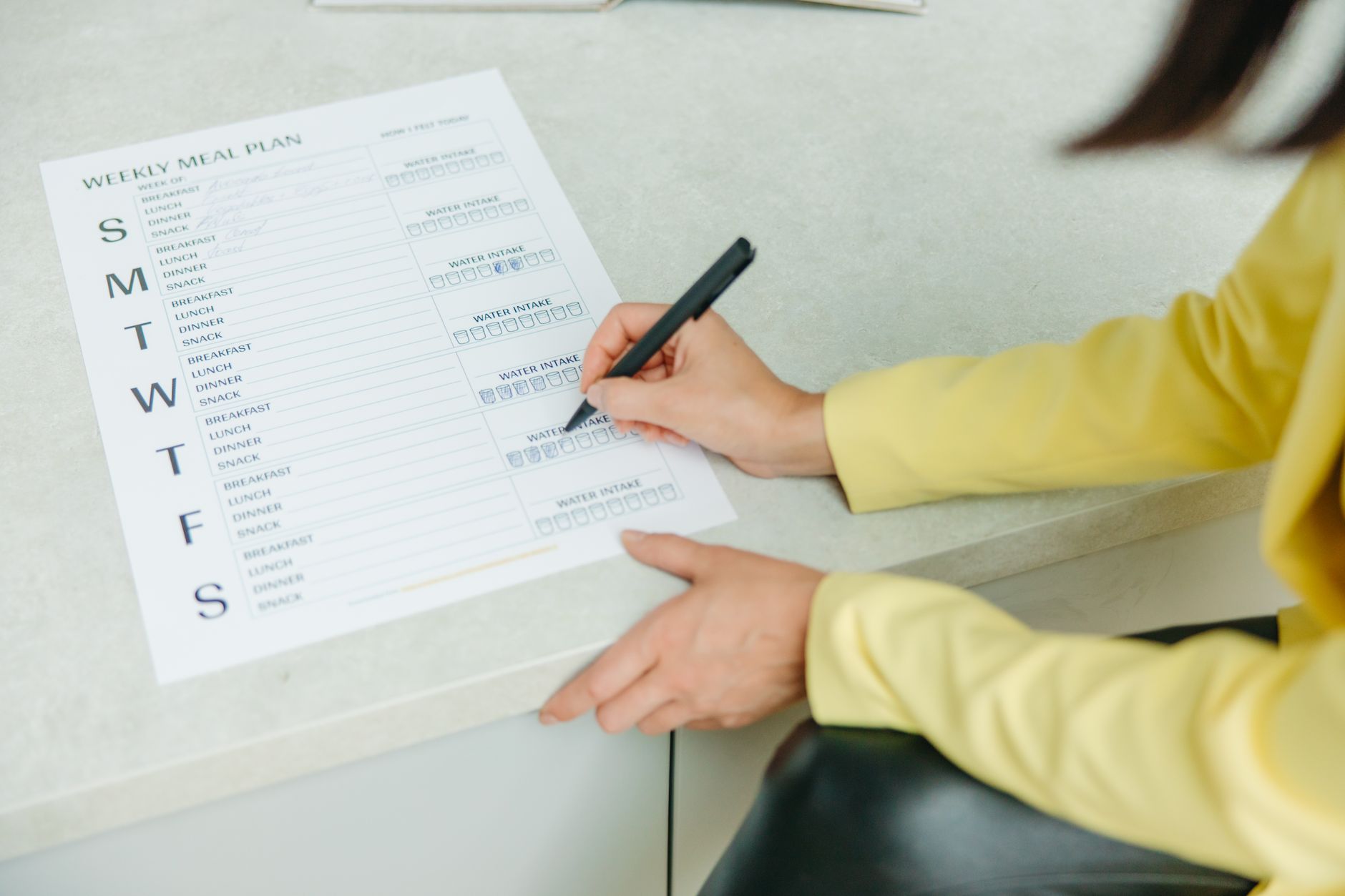
How to build self-discipline: quick answer and 14-day plan
Here is the daily loop that works for most people: pick one habit that matters, shrink it to a tiny minimum you cannot rationalize away, make the first 30 seconds obvious and easy, and log your effort. That loop builds a streak, and streaks make starting tomorrow easier than quitting.
Below is a concrete 14-day starter plan with zero-cost tools, plus a method comparison so you can choose the approach that fits your lifestyle. If you miss a step, apply the two-minute restart rule: do a two-minute version now, or recommit to the next scheduled block. Never let one miss turn into two.
Choose a discipline method that fits you
| Method | Best for | Daily time cost | Tools needed | Pros | Cons |
|---|---|---|---|---|---|
| Pomodoro | Task start inertia and short focus bursts | 25–50 min | Timer app | Clear start/stop, reduces overwhelm | Breaks can disrupt deep work |
| Time blocking | Busy schedules and multiple priorities | 60–120 min | Calendar | Protects important work | Requires replanning when life shifts |
| Habit stacking | Attaching new habits to stable routines | 10–20 min | Existing routine | Easy triggers, minimal effort | Falls apart if anchor routine changes |
| Temptation bundling | Low-interest tasks | 20–40 min | Reward you enjoy | Makes boring tasks tolerable | Reward can overshadow the task |
| Commitment devices | Accountability and follow-through | Varies | Deposit, public pledge, buddy | Higher stakes improve consistency | Costs money or reputation if you quit |
| Environment design | Distraction-heavy spaces | 5–15 min setup | App/site blockers, tidy desk | Reduces friction dramatically | Needs maintenance as habits evolve |
For a deeper look at systems that fit different lifestyles, see 10 systems for self-discipline that fit your life.
14-day starter plan (tiny non-negotiable + prep + tracking)
Pick one domain for two weeks. Examples: work (write 10 minutes), fitness (walk 10 minutes), or daily life (declutter one shelf). Keep the minimum small and the rules clear. Use the table as your daily checklist.
| Day | Tiny non-negotiable | Prep (night before) | Scheduled time | Accountability | Reward | Metric to record |
|---|---|---|---|---|---|---|
| 1 | 10-min session | Lay out tools, set timer | 7:00 am | Text buddy | Favorite coffee | Done/partial/skip |
| 2 | 10-min session | Prep notes | 7:00 am | Photo proof | Playlist | Start-time accuracy |
| 3 | 10-min session | Block apps | 7:00 am | Buddy call | Leisure 15 min | Distractions count |
| 4 | 10-min session | Clothes/tools ready | 7:00 am | Public check-in | Nice breakfast | Streak total |
| 5 | 10-min session | Task list written | 7:00 am | Text buddy | Podcast during walk | Friction removed Y/N |
| 6 | 10-min session | Set timer out | 7:00 am | Photo proof | Small treat | Done/partial/skip |
| 7 | 10-min session | Review notes | 7:00 am | Buddy call | Leisure 30 min | Start-time accuracy |
| 8 | 12-min session | Prep tools again | 7:00 am | Public check-in | Favorite coffee | Distractions count |
| 9 | 12-min session | Block apps | 7:00 am | Text buddy | Playlist | Streak total |
| 10 | 12-min session | Clothes/tools ready | 7:00 am | Photo proof | Leisure 15 min | Friction removed Y/N |
| 11 | 12-min session | Task list written | 7:00 am | Buddy call | Nice breakfast | Done/partial/skip |
| 12 | 15-min session | Set timer out | 7:00 am | Public check-in | Small treat | Start-time accuracy |
| 13 | 15-min session | Review notes | 7:00 am | Text buddy | Leisure 30 min | Distractions count |
| 14 | 15-min session | Prep tools again | 7:00 am | Photo proof | Choose a simple celebration | Streak total |
End of Day 7 and Day 14, run a 10-minute review: What worked, what friction you removed, what you’ll change next week. If you want a simple journaling structure for that review, try this guide: The Daily Journaling Routine That Makes Personal Growth Practical.
Turn goals into tiny non-negotiables
Pick one domain: work, fitness, or daily life. Define a minimum that feels almost too small: ten minutes of writing, a ten-minute walk, or clearing one shelf. The aim is to build the action reflex, not to set a personal record. You can always do more, but your non-negotiable minimum is the win.
Write an if–then plan with a trigger and place. For example: “If it is 7:00 am, then I put on shoes and walk outside for ten minutes.” Location and timing matter because you remove the decision friction. New habits burn less energy when the start cue is consistent.
Set a ceiling. In week one, cap yourself at 20 minutes to avoid overdoing it, which often leads to soreness, fatigue, or calendar chaos. The goal is to leave a little in the tank so tomorrow’s start stays easy.
Design your environment and routine to make discipline easier
Self-discipline grows fastest when your environment does half the work. Remove or block temptations. Put your phone in another room, install a site blocker during your work block, and tidy the desk the night before. Place the first tool in visible reach—a pen on the journal, shoes next to the door, a bottle of water on the counter.
Schedule one protected block each day. Time blocking works best when you anchor the block to an existing routine. Try 7:00–7:20 am before emails begin or 12:30–12:50 pm before the afternoon meeting stack. Batch notifications to fire only after that block. If you need help with daily planning, this post shows a practical setup: My daily planning system for calmer, clearer workdays.
Use habit stacking to attach the new action to something you already do. “After I make coffee, I open my notebook and write one paragraph.” Stacking makes the cue automatic; your brain already expects the next step.
Train your effort muscle without burning out
When you feel resistance, do the hard thing first. If that feels heavy, use a five-minute wall: commit to five minutes with permission to stop. Most people keep going once they break through the start.
Practice controlled discomfort. Delay checking your phone by five minutes. Read one more page than you planned. Do one more set or one more paragraph. Micro-stretches teach your brain that brief friction is safe and survivable.
Bundle tasks with mild rewards. Pair a low-interest task with something you enjoy—music during housework, a favorite café for writing, or a good podcast during a walk. Keep the reward small enough that it doesn’t eclipse the task itself.
Measure, review, and adjust
Tracking builds reality-based confidence. Each day, record three metrics: done/partial/skip, your planned start vs actual, and how many distractions you noticed. Over time, add a simple note about friction you removed.
Do a short weekly review. Keep/modify/drop. If the habit felt too big, shrink it. If it felt easy, increase by small increments—two minutes more per session, one additional paragraph, or a slightly longer walk. Adjust the environment first before blaming “motivation.”
Use an immediate reset protocol after lapses. If you miss your block, run a two-minute version later that day or recommit to the next slot. The rule “never miss twice” is a compass, not a punishment—its value is in steering you back onto the path quickly.
Weekly Discipline Scorecard
| Day | Planned start vs actual | Non-negotiable done/partial/skip | Distraction count | Friction removed (Y/N) | Notes | Streak total |
|---|---|---|---|---|---|---|
| Mon | 7:00 → 7:03 | Done | 1 | Y | Blocked socials | 1 |
| Tue | 7:00 → 7:01 | Done | 0 | Y | Night prep helped | 2 |
| Wed | 7:00 → 7:05 | Partial | 2 | N | Late night | 0 |
| Thu | 7:00 → 7:00 | Done | 0 | Y | Two-minute restart | 1 |
| Fri | 7:00 → 7:02 | Done | 1 | Y | Phone in other room | 2 |
| Sat | 7:00 → 8:10 | Partial | 3 | N | Family schedule | 0 |
| Sun | 7:00 → 7:15 | Done | 1 | Y | Short walk + review | 1 |
If you prefer a template with more systems thinking, this overview of discipline systems pairs well with the scorecard: Building Self-Discipline for Real-Life Progress.
Accountability and rewards that work
Pick an accountability that fits your temperament. A buddy you text daily works for most people. Public check-ins on a low-stakes platform can help if you like social visibility. Monetary commitment devices add pressure, but use them carefully so you don’t create avoidance.
Set process rewards that don’t conflict with your goal. Walking to a café after your writing block, a small treat after seven consecutive days, or scheduling leisure time on Sundays all reinforce the loop without undoing it.
Transition from external to internal accountability over time. Early on, lean on friends and devices. As your streak grows, track streak pride and start-time accuracy as your primary “reward.”
Troubleshooting: common mistakes and quick fixes
- Too many goals or too big: cut to one habit and shrink it to 2–10 minutes for the next three days. Build a win streak.
- All-or-nothing and perfectionism: count partial credit and protect the streak with a two-minute version when life is messy.
- Decision fatigue: pre-decide time, place, and tools. Use a prep checklist: clear desk, clothes ready, app blockers on, timer set.
- Motivation dips: start with a five-minute wall. Once you begin, momentum does the rest.
- Distraction overload: change your start location or time, and add a simple noise or app blocker. Keep your phone elsewhere.
- Plateaus: increase your ceiling by two minutes or add one more rep/page. Keep increases small and sustainable.
FAQs: principles, causes, motivation, and timelines
What are the 5 C’s of discipline?
Clarity, Consistency, Cues, Constraints, and Check-ins. Clarity means a specific, tiny action. Consistency means same time/place. Cues are your triggers. Constraints limit options to reduce friction. Check-ins are your daily log and weekly review.
What are the 5 principles of self-discipline?
Start small, schedule it, shape the environment, track honestly, and adjust gradually. These principles echo what works across domains, from fitness to focused work.
How do I control myself when I don’t feel motivated?
Reduce the task until it fits a five-minute wall, use an if–then plan, and prepare your start in advance. Begin with the first 30 seconds: open the doc, put on shoes, or set the timer. Momentum often appears after you start.
What causes poor self-discipline?
Common drivers include vague goals, too much friction at the start, distraction-heavy environments, and lack of tracking. Often it’s not willpower; it’s missing structure and unclear cues.
How long does it take to build self-discipline?
You can feel momentum within 7–14 days with a tiny daily loop. A stable habit often takes a few weeks to a couple of months depending on complexity and environment. The key is fewer resets and faster restarts.
Is self-discipline a skill you can train or just personality?
It is a skill you can train. The combination of tiny actions, environment design, timed routines, and honest tracking builds capacity regardless of personality. People with different temperaments simply pick different methods from the comparison table.
Do the hard thing first or warm up?
If your resistance is high, warm up with a two-minute start. If you’re already in motion, do the hard thing first. Both strategies aim to collapse the start-cost and keep your streak alive.
How do values and goals connect to discipline?
When your daily action ladders up to something you care about, it’s easier to show up. Write a one-line why and keep it visible: “I write for 10 minutes because I want to tell clear stories,” or “I walk daily because I want more energy at 3 pm.”
Where should I go next?
Once the 14-day plan feels steady, pick one method to expand. If you want more options, read this practical guide to small steps: Take Small Steps to Build Healthy Habits.
Your simple discipline checklist
- One tiny non-negotiable (10–20 minutes)
- Prepare the start the night before
- Schedule a protected block
- Track done/partial/skip + start-time accuracy
- Remove one friction per day
- Use the two-minute restart rule after any miss
- Review weekly: keep, modify, drop
- Pick accountability and a small reward
Keep it simple. The quickest path to discipline is a small action you cannot talk yourself out of, done at the same time, prepared in advance, and tracked honestly.